Small Business Loan Options
Small business loan options can help companies cover working capital, purchase equipment, manage cash flow, expand operations, or fund other business needs. The right option depends on your funding purpose, credit history, revenue, and ability to repay.
Businesses can choose from bank loans, SBA-backed financing, business lines of credit, equipment financing, microloans, and online loans. Each option has different costs, terms, eligibility requirements, and funding speeds.
This guide explains the main small business loan options and how to compare them before choosing financing.
What Are Small Business Loan Options?
Small business loan options are different types of financing available to companies that need capital.
Some loans provide a fixed amount with scheduled payments. Others provide revolving access to funds that can be used when needed.
The right financing depends on what you plan to do with the money. A company buying equipment may need a different product than one managing seasonal cash flow.
Understanding the differences can help you avoid borrowing more than necessary or choosing an unsuitable repayment structure.
Common Small Business Loan Options
Several financing products are commonly available to small businesses.
SBA Loans
SBA-backed loans are provided by participating lenders and supported by the U.S. Small Business Administration.
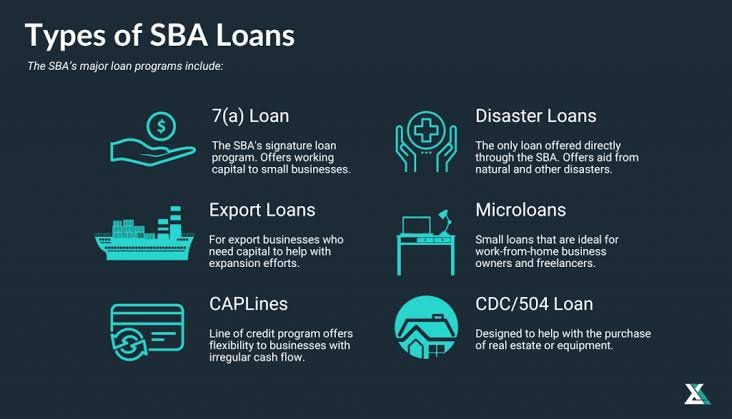
The SBA 7(a) program is its primary business loan program. Eligible businesses can use 7(a) financing for purposes such as working capital, equipment, real estate, business acquisition, and certain debt refinancing.
The maximum 7(a) loan amount is $5 million.
SBA loans can be useful for businesses that need larger amounts of financing and can meet the lender’s requirements.
Bank Business Loans
Banks and credit unions offer traditional business loans to qualified companies.
A business term loan provides a specific amount of money that is repaid over an agreed period. The repayment structure and interest rate depend on the lender and loan agreement.
Traditional lenders may review financial statements, tax returns, credit history, business revenue, cash flow, existing debt, and collateral.
Established businesses with strong financial records may have more traditional financing choices available.
Business Lines of Credit
A business line of credit gives a company access to funds up to a predetermined limit.
Instead of receiving and paying interest on the entire credit limit, the business can generally draw money as needed.
For example, a company with a $40,000 line of credit might use $10,000 for inventory and leave the remaining credit available.
Lines of credit can be useful for recurring working capital needs, seasonal expenses, and short-term cash-flow gaps.
Equipment Financing
Equipment financing is designed for businesses that need to purchase equipment.
The financed equipment may serve as collateral, depending on the financing agreement.
Businesses can use this type of financing for machinery, vehicles, computers, commercial appliances, and other qualifying assets.
The financing term should generally make sense for the expected useful life of the equipment.
SBA Microloans
SBA Microloans are designed for smaller financing needs.
Through intermediary lenders, the SBA Microloan program provides loans of up to $50,000.
Funds can generally be used for working capital, inventory, supplies, furniture, fixtures, and equipment.
Microloans may be worth considering when a business needs a relatively small amount of capital rather than a large commercial loan.
Online Business Loans
Online lenders offer another source of small business financing.
Applications may be completed digitally, and some lenders advertise faster decisions than traditional lenders.
Online financing can be useful when speed is important. However, businesses should carefully compare the total borrowing cost, repayment frequency, fees, and loan structure.
Fast funding does not necessarily mean inexpensive funding.
Small Business Loans Based on Your Financing Need
Your reason for borrowing should be one of the first factors you consider.
Different financing products are designed for different business situations.
Working Capital Loans
Working capital financing can help cover everyday operating expenses.
A business may need additional funds for payroll, inventory, supplier payments, utilities, or other short-term expenses.
A business line of credit can be useful when the amount needed changes from month to month.
A term loan may make more sense when the business knows exactly how much capital it needs.
Equipment Loans
Businesses purchasing expensive equipment can consider equipment financing.
This can allow the company to spread the purchase cost over time instead of paying the entire amount upfront.
Before borrowing, calculate the equipment’s expected contribution to revenue or operating efficiency.
The financing should support the business rather than create unnecessary financial pressure.
Business Expansion Loans
Expansion can require substantial capital.
A company opening another location may need money for construction, rent, equipment, inventory, marketing, and hiring.
An SBA loan or traditional business loan may be considered for larger expansion projects, depending on eligibility and financial strength.
Startup Business Financing
New businesses often face more financing challenges because they lack an established operating history.
Lenders may place greater emphasis on the owner’s personal credit, business plan, financial projections, available capital, and industry experience.
Some entrepreneurs also use personal savings or other sources of startup capital before seeking business debt.
A clear explanation of how the borrowed funds will generate or support business revenue can strengthen the financing application.
Emergency Business Financing
Unexpected expenses can create sudden cash-flow problems.
A business line of credit can provide access to capital before an emergency occurs. Once established, the credit facility can potentially be used when a qualifying need arises.
Businesses should understand the interest rate and fees before using emergency financing.
Borrowing under pressure can make it easier to overlook expensive terms.
How to Choose Between Small Business Loan Options
Choosing a loan involves more than comparing advertised rates.
Start with the amount you need and the purpose of the financing.
Then consider how quickly you need the money and how much your business can comfortably repay.
Consider the Loan Amount
Avoid borrowing more than the business actually needs.
A larger loan can increase interest costs and scheduled payments.
At the same time, borrowing too little can leave the business without enough capital to complete a project.
Build a basic budget before applying and include a reasonable estimate for unexpected expenses.
Compare Interest Rates
Interest rates can significantly affect the total cost of financing.
Determine whether the rate is fixed or variable.
A fixed rate generally stays unchanged under the terms of the agreement. A variable rate can change over time depending on the applicable benchmark and loan terms.
Do not compare rates without considering fees and other borrowing costs.
Review the Repayment Term
The repayment period determines how long you will make payments.
A longer term can reduce the scheduled payment, but it may increase the total interest paid over the life of the loan.
A shorter term can result in higher payments but may reduce total interest costs.
Choose a term that fits the business’s expected cash flow.
Check the Fees
Loan fees can include origination fees, application fees, closing costs, servicing charges, and other expenses.
Read the complete loan agreement before accepting an offer.
Ask the lender to explain any fee you do not understand.
Understand Collateral Requirements
Some business loans require collateral.
Collateral can include real estate, equipment, inventory, accounts receivable, or other assets.
If the loan is secured, understand which assets are being pledged and what happens if the business cannot repay the debt.
Check for a Personal Guarantee
Some lenders require business owners to provide a personal guarantee.
A personal guarantee can make the owner personally responsible for certain unpaid business debt.
This is an important term to understand before signing a financing agreement.
What Do Lenders Look For?
Lenders typically want evidence that a business can repay the money it borrows.
Requirements vary considerably by lender and financing product.
Credit History
Credit history can influence the financing products and terms available to a business.
For established companies, lenders may review business credit information.
For newer companies, the owner’s personal credit history may also be important.
Review your credit reports before applying and address inaccurate information where possible.
Business Revenue
Revenue provides lenders with information about the scale of the company’s operations.
However, revenue alone does not show whether the business can comfortably repay debt.
Lenders may also review expenses, cash flow, existing debt, and other financial obligations.
Cash Flow
Cash flow is particularly important because loan payments must be made from available funds.
A business with strong sales but inconsistent cash flow may still face repayment challenges.
Review monthly cash inflows and outflows before taking on additional debt.
Time in Business
Operating history gives lenders more financial information to evaluate.
A newer business may have fewer financing choices than an established company.
Some lenders specialize in newer businesses, but their pricing and requirements can differ.
Business Plan
A business plan can be particularly important for startups and companies seeking financing for expansion.
It should explain the business model, target customers, revenue sources, expenses, funding requirements, and expected use of the loan.
Financial projections should be realistic and based on reasonable assumptions.
SBA Loan Programs to Consider
The SBA supports several financing programs for eligible small businesses.
SBA 7(a)
The 7(a) program is the SBA’s primary loan program.
Eligible uses can include working capital, equipment, real estate, business acquisition, and certain debt refinancing.
The maximum loan amount is $5 million.
The business must meet SBA eligibility requirements and satisfy the participating lender’s underwriting standards.
SBA 504
The SBA 504 program focuses primarily on major fixed assets.
It can support eligible purchases such as real estate and long-term equipment.
This program is different from a typical working capital loan because it is structured primarily around fixed-asset financing.
SBA Microloans
SBA Microloans are intended for smaller funding needs.
The program offers loans of up to $50,000 through approved intermediary lenders.
They can be used for expenses such as inventory, supplies, equipment, furniture, fixtures, and working capital.
How to Apply for a Small Business Loan
Preparation can make the application process easier.
Gather Your Documents
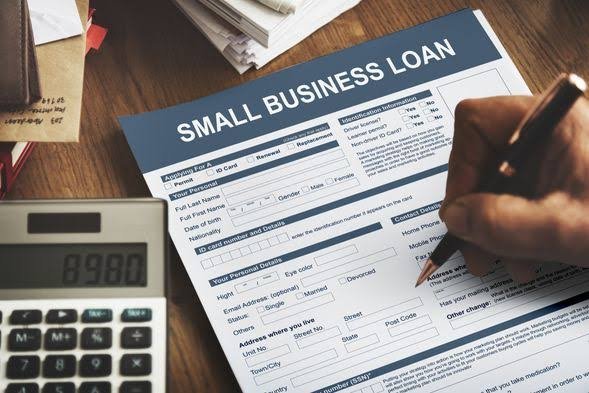
Lenders may request documents such as business tax returns, personal tax returns, bank statements, financial statements, identification, business registration documents, and information about existing debt.
The documentation required depends on the lender and loan amount.
Calculate Your Funding Need
Determine exactly how much capital the business requires.
Explain how the money will be used and how it will support the company’s operations or growth.
A clear funding request is generally easier for a lender to evaluate.
Review Your Finances
Review revenue, expenses, profit, cash flow, existing debt, and upcoming financial obligations.
This can help you determine whether the business can comfortably handle another payment.
Compare Lenders
Consider several lenders rather than automatically accepting the first offer.
Compare rates, fees, repayment periods, payment frequency, collateral, personal guarantees, and funding times.
For eligible businesses seeking SBA-backed financing, the SBA’s Lender Match service can help connect businesses with participating lenders.
Small Business Loan Alternatives
A traditional loan is not always the only way to fund a business.
Business Credit Cards
Business credit cards can provide a convenient way to manage smaller purchases and recurring expenses.
They can be useful for short-term spending, but businesses should pay close attention to interest rates and fees.
Invoice Financing
Businesses that invoice customers may consider financing based on outstanding invoices.
This can provide access to cash before customers pay their invoices.
The cost and structure vary by provider, so businesses should carefully review the agreement.
Merchant Cash Advances
A merchant cash advance provides an upfront amount in exchange for repayment from future business sales or according to an agreed structure.
These products can have significantly different costs from conventional loans.
Businesses should understand the total repayment amount before accepting an offer.
Common Mistakes to Avoid
Taking business debt without a clear repayment plan can create unnecessary financial pressure.
Avoid choosing financing solely because the lender promises fast approval.
Do not compare offers using only the monthly payment. Consider the total cost of borrowing.
Also check whether the loan has variable rates, prepayment penalties, personal guarantees, collateral requirements, or unusual repayment terms.
Most importantly, avoid borrowing money without a clear plan for how the funds will support the business.
Frequently Asked Questions
What are the main small business loan options?
Common options include SBA loans, bank term loans, business lines of credit, equipment financing, microloans, and online business loans. The appropriate option depends on the business’s funding purpose and financial situation.
What is the easiest small business loan to get?
There is no single loan that is easiest for every business. Approval depends on factors such as credit history, revenue, time in business, cash flow, collateral, and the lender’s requirements.
Can a startup qualify for a small business loan?
Some startups can qualify for financing, although requirements may be stricter. Lenders may consider the owner’s credit, business plan, financial projections, available capital, and industry experience.
How much can a small business borrow?
The amount varies by loan type and lender. SBA 7(a) loans can reach $5 million, while SBA Microloans have a maximum of $50,000.
Is a business line of credit better than a business loan?
The two products serve different purposes. A term loan provides a specific amount of financing, while a line of credit provides reusable access to funds up to a set limit. The better fit depends on how and when the business needs capital.
Conclusion
The right small business loan options depend on what your company needs to accomplish and how comfortably it can handle repayment.
Start by calculating your funding requirement and identifying the purpose of the money. Then compare loan types based on total cost, repayment terms, fees, collateral, guarantees, and funding speed.
SBA financing, bank loans, lines of credit, equipment financing, microloans, and online lending can all serve different business needs. A careful comparison can help you select financing that fits your company’s financial situation and long-term plans.