Startup Business Loans
Startup business loans can provide new companies with capital for equipment, inventory, marketing, technology, working capital, and other launch costs. However, getting financing as a new business can be challenging because lenders have limited operating history to review.
Startups can explore several funding options, including SBA-backed loans, bank financing, microloans, business credit lines, equipment financing, and online lenders. Each option has different requirements and costs.
This guide explains how startup business loans work, what lenders look for, and how to prepare before applying.
What Are Startup Business Loans?
Startup business loans are financing products designed for new or recently established businesses.
The money can be used for eligible business expenses such as purchasing equipment, leasing or renovating a location, buying inventory, paying operating costs, or funding other business activities.
Unlike an established company, a startup may not have years of revenue or financial statements. As a result, lenders may rely more heavily on the owner’s personal credit, business plan, financial projections, available capital, and industry experience.
Not every lender defines “startup” in the same way, so eligibility requirements can vary.
Why Are Startup Business Loans Difficult to Get?
New businesses generally have limited financial history.
A lender cannot easily evaluate several years of revenue, cash flow, profitability, or repayment behavior when the company has only recently started operating.
This can increase the lender’s uncertainty.
A startup may also have limited business credit and few assets that can be used as collateral.
Because of this, lenders may examine the owner’s personal financial profile more closely.
Common Startup Business Loan Options
There are several ways entrepreneurs can finance a new company.
SBA Loans
SBA-backed financing can be an option for eligible small businesses.
The SBA does not usually lend money directly. Instead, participating lenders provide the financing, with the SBA providing a guarantee subject to program rules.
The SBA 7(a) program is its primary business loan program and supports eligible uses such as working capital, equipment, real estate, and business acquisition.
The maximum 7(a) loan amount is $5 million.
However, approval depends on both SBA eligibility requirements and the participating lender’s underwriting standards.
SBA Microloans
SBA Microloans can be particularly relevant when a startup needs a smaller amount of capital.
The program provides loans of up to $50,000 through intermediary lenders.
Funds can generally be used for working capital, inventory, supplies, furniture, fixtures, and equipment.
Microloans can be useful when a startup does not need a large commercial loan.
Bank Loans
Traditional banks and credit unions offer various business financing products.
Getting a conventional bank loan as a new business can be difficult because lenders often prefer established financial records.
However, entrepreneurs with strong personal credit, substantial capital, relevant industry experience, and a detailed business plan may have financing opportunities.
Requirements differ between financial institutions.
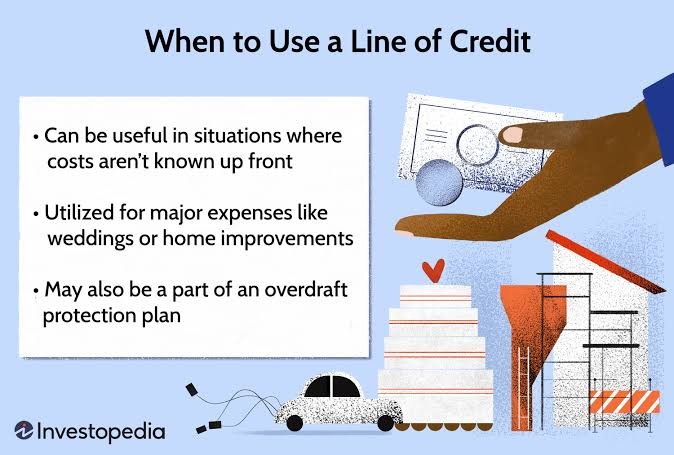
Business Lines of Credit
A business line of credit provides access to funds up to an approved limit.
Instead of borrowing a fixed amount upfront, the business can generally draw money when needed.
This can be useful for working capital and recurring expenses.
However, startups may have difficulty qualifying for larger unsecured credit lines without established revenue or credit history.
Equipment Financing
Equipment financing can help startups purchase assets needed to operate.
Examples include machinery, vehicles, computers, commercial kitchen equipment, medical equipment, and other business assets.
The equipment may serve as collateral under the financing agreement.
This can make equipment financing worth considering when the primary funding requirement is a specific asset.
Online Startup Financing
Online lenders provide another potential source of startup funding.
Applications can often be completed digitally, and some lenders use alternative business information when evaluating applicants.
However, entrepreneurs should carefully review the total cost of online financing.
Fast approval does not necessarily mean the financing is inexpensive.
Can You Get a Business Loan With No Revenue?
Getting startup financing without business revenue can be difficult, but it is not necessarily impossible.
Lenders may consider other factors when the company has little or no operating history.
These can include the owner’s personal credit, business plan, financial projections, personal investment, collateral, industry experience, and other sources of repayment.
Some lenders may require the owner to provide a personal guarantee.
The available options depend heavily on the lender and the applicant’s overall financial profile.
What Do Lenders Look For in a Startup?
Lenders need evidence that the business has a reasonable path toward repayment.
Several factors can influence their decision.
Personal Credit
For a new business, the owner’s personal credit may be particularly important.
A strong credit history can demonstrate responsible borrowing behavior.
Before applying, review your credit reports and correct inaccurate information where appropriate.
Business Plan
A detailed business plan can help explain how the company intends to operate and generate revenue.
The plan should describe the product or service, target market, competitors, pricing, marketing strategy, operating costs, and expected revenue.
It should also explain exactly how the requested financing will be used.
Financial Projections
Startups should prepare realistic financial projections.
These may include projected income statements, cash flow forecasts, startup expenses, and expected operating costs.
Avoid unrealistic revenue assumptions.
Lenders need a credible picture of how the business expects to generate enough cash to meet its obligations.
Personal Investment
Entrepreneurs who contribute some of their own capital may demonstrate financial commitment to the business.
The amount required varies by business and lender.
Personal investment does not guarantee approval, but it can form part of the lender’s overall assessment.
Collateral
Some financing requires collateral.
Potential collateral can include equipment, real estate, vehicles, or other qualifying assets.
The specific requirements depend on the financing product and lender.
Industry Experience
Relevant professional experience can help demonstrate that the entrepreneur understands the market and business model.
A strong background in the industry may be especially useful when the company itself has little operating history.
How Much Can a Startup Borrow?
There is no universal startup loan amount.
The amount depends on the financing product, lender, business plan, financial position, collateral, and repayment capacity.
A startup may qualify for a small microloan, equipment financing, a larger SBA-backed loan, or another financing product.
Instead of requesting the maximum possible amount, calculate the actual capital required to reach the next business milestone.
Borrowing more than necessary can increase interest costs and repayment pressure.
How to Prepare for a Startup Business Loan
Good preparation can improve the financing application process.
Calculate Your Startup Costs
List every expected expense before applying.
Common startup costs include:
- Business registration
- Equipment
- Inventory
- Rent and deposits
- Website and technology
- Insurance
- Marketing
- Professional services
- Payroll
- Working capital
Separate one-time expenses from recurring monthly costs.
This will give you a clearer idea of how much financing you actually need.
Create a Business Plan
Your business plan should explain how the company will make money.
Describe your customers, products, pricing, marketing strategy, competitors, operating model, and financial expectations.
Most importantly, explain how the requested loan will help the business generate revenue or operate effectively.
Build Financial Projections
Prepare realistic forecasts for revenue and expenses.
Include a cash flow projection so you can estimate when money will enter and leave the business.
A lender needs to see how the company expects to handle loan payments.
Organize Your Documents
Depending on the lender, you may need identification, tax documents, bank statements, financial projections, business registration documents, ownership information, and details about existing debts.
Preparing these documents in advance can make the application process smoother.
How to Improve Your Chances of Approval
There is no guaranteed way to get approved, but preparation can strengthen an application.
Improve Your Credit Profile
Review your personal and business credit information where applicable.
Pay existing obligations on time and avoid taking on unnecessary debt before applying.
Reduce Existing Debt
High levels of existing debt can affect your ability to qualify for additional financing.
Review your current obligations and calculate how another payment would affect your monthly budget.
Make Your Funding Request Specific
Explain exactly how much money you need and how you will use it.
A request such as “I need $40,000 for equipment, initial inventory, and three months of working capital” is more specific than simply requesting money for business growth.
Show a Realistic Repayment Plan
Explain how the business expects to generate enough cash to repay the financing.
Use realistic sales assumptions and account for operating expenses.
Do not rely on overly optimistic projections.
Startup Loans vs. Personal Loans
Some entrepreneurs consider using a personal loan to fund a new business.
A personal loan is based primarily on the individual’s financial profile rather than the company’s business history.
However, using personal debt for business purposes can expose the owner to personal financial risk.
A business loan, when available, is specifically structured for business financing.
Before using either option, review the lender’s rules about permitted use of funds and understand who is responsible for repayment.
Startup Loans vs. Business Credit Cards
Business credit cards can provide a convenient way to pay for smaller purchases and recurring expenses.
They may be useful for software subscriptions, supplies, travel, and other operating expenses.
However, credit card interest rates can be high, especially when balances are carried over time.
A business loan may be more suitable for larger planned expenses that can be repaid over a defined period.
The right choice depends on the size, timing, and purpose of the funding need.
Costs to Consider Before Borrowing
The interest rate is only one part of the cost.
Review all financing expenses before accepting an offer.
Interest
Interest is the primary cost associated with many business loans.
The rate may be fixed or variable depending on the financing agreement.
Origination Fees
Some lenders charge an origination fee when the loan is issued.
The fee may be a percentage of the amount borrowed or a fixed charge.
Other Fees
Depending on the product, additional charges may include application fees, servicing fees, late payment charges, annual fees, or prepayment penalties.
Read the complete financing agreement before signing.
Personal Guarantees
Some lenders require owners to personally guarantee the debt.
This can make the owner personally responsible if the business does not repay according to the agreement.
Understand this obligation before accepting financing.
How to Apply for a Startup Business Loan
The exact process varies by lender, but most applications follow similar steps.
First, determine how much funding you need and what the money will be used for.
Next, review your credit profile and prepare your business plan and financial projections.
Gather the required documents and compare multiple lenders.
When you receive an offer, review the interest rate, fees, repayment schedule, collateral requirements, personal guarantees, and total borrowing cost.
Do not accept financing simply because it is available. Make sure the repayment structure fits the business’s expected cash flow.
Alternatives to Startup Business Loans
A loan is not the only way to finance a new business.
Personal Savings
Many entrepreneurs use personal savings to cover some startup costs.
This can reduce the amount of debt required, although it also uses the owner’s personal capital.
Business Partners
A business partner may contribute capital in exchange for an ownership interest.
This can reduce the need for debt but may involve sharing control and future profits.
Investors
Some startups seek funding from angel investors or venture capital firms.
This approach is generally more relevant to businesses with significant growth potential.
Investors typically receive an ownership stake rather than a guaranteed repayment.
Crowdfunding
Crowdfunding platforms can allow businesses to raise money from multiple contributors.
The structure varies by platform and can involve rewards, donations, preorders, or equity.
Entrepreneurs should understand the platform’s requirements and fees before launching a campaign.
Common Mistakes to Avoid
Do not borrow money without knowing how it will be used.
Avoid creating financial projections based on unrealistic sales growth.
Do not focus only on the monthly payment when comparing loans. Consider the total amount you will repay.
Also check whether the financing requires collateral or a personal guarantee.
Finally, avoid taking on more debt than the business can reasonably support.
Frequently Asked Questions
Can I get a startup business loan with no business history?
Some lenders offer financing to new businesses, but requirements can be stricter. Personal credit, collateral, business plans, financial projections, and available capital may become more important.
What is the easiest startup business loan to get?
There is no single loan that is easiest for every startup. Eligibility depends on factors such as personal credit, available assets, business type, funding needs, and lender requirements.
Can I get a startup loan with bad personal credit?
Options may be limited when personal credit is weak. Some lenders may consider other factors, but borrowers should carefully compare the cost and terms of any available financing.
How much can I borrow for a startup?
The amount varies by lender and financing type. SBA Microloans can provide up to $50,000, while eligible SBA 7(a) financing can reach $5 million. Actual approval amounts depend on eligibility and underwriting.
Can SBA loans be used for startup businesses?
Eligible startups can potentially use certain SBA-backed financing for approved business purposes. However, the business must meet applicable SBA requirements and satisfy the participating lender’s underwriting standards.
Conclusion
Startup business loans can provide valuable capital for entrepreneurs who need funding to launch or grow a new company. However, startups often face stricter requirements because they lack an established financial history.
Before applying, calculate your startup costs, prepare a strong business plan, build realistic financial projections, and review your personal credit profile.
Compare SBA financing, microloans, bank loans, equipment financing, credit lines, and online options based on their total costs and repayment requirements.
The most suitable financing is not necessarily the largest loan available. It is the financing amount and structure that supports the business while keeping repayment manageable.