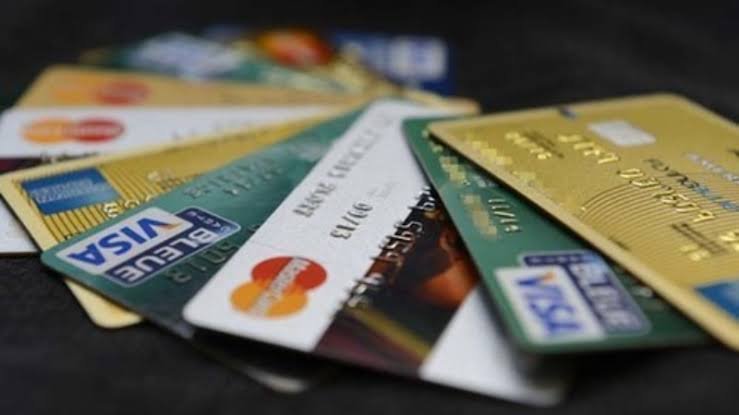
Business Credit Cards
Business credit cards can help companies manage everyday expenses, separate business purchases from personal spending, and access a revolving line of credit. They may also offer rewards, introductory rates, expense management tools, and other features.
Choosing the right business credit card depends on how your company spends money, whether you carry balances, and which benefits are most valuable to your business.
This guide explains how business credit cards work, what to compare, and how to use them responsibly.
What Is a Business Credit Card?
A business credit card is a revolving credit account designed for business-related spending.
It works similarly to a personal credit card. The business receives an approved credit limit and can make purchases up to that limit.
When you carry a balance, interest may apply according to the card’s terms. If you pay the balance in full by the applicable due date, you may avoid interest on purchases depending on the card agreement and applicable grace-period rules.
Business cards can be used for expenses such as software, advertising, office supplies, travel, inventory, and other business purchases allowed by the issuer.
How Do Business Credit Cards Work?
A business credit card provides access to a revolving credit limit.
For example, suppose a company receives a $20,000 credit limit. It could use the card for business purchases and then repay the balance over time.
As payments reduce the outstanding balance, available credit generally becomes available again.
The exact terms vary by card issuer.
Interest rates, annual fees, rewards, grace periods, cash advance costs, foreign transaction fees, and other charges can differ significantly between cards.
Business Credit Cards vs. Personal Credit Cards
Business and personal credit cards share many features, but they are designed for different purposes.
A business credit card is intended for business expenses and may provide tools designed for companies.
These tools can include employee cards, spending controls, accounting integrations, purchase records, and business-focused rewards.
Personal credit cards are designed primarily for individual spending.
Business owners should keep business and personal expenses separate whenever possible. This can make bookkeeping and financial reporting easier.
Benefits of Business Credit Cards
Business credit cards can provide several practical benefits.
Separate Business Expenses
Using a dedicated card can make it easier to identify business purchases.
Instead of searching through personal transactions, you can review a separate account for business spending.
This can simplify bookkeeping and make expense tracking more organized.
Employee Cards
Some business credit cards allow additional cards for employees.
Employee cards can make it easier to manage company purchases without giving employees access to the primary account.
Depending on the issuer, administrators may also be able to set spending limits or monitor transactions.
Rewards
Some business cards offer rewards for eligible purchases.
Rewards can include cash back, points, or travel benefits.
The value depends on how your company spends money and how rewards are redeemed.
A card with a high reward rate is not necessarily useful if its fees outweigh the value of the rewards.
Introductory Offers
Some issuers provide introductory rewards or promotional financing.
These offers may require the business to spend a specified amount within a certain period.
Read the eligibility requirements carefully before relying on an introductory offer.
Expense Management
Business cards can provide transaction records that help companies track spending.
Some cards also integrate with accounting or expense management systems.
This can reduce manual work when categorizing business purchases.
Types of Business Credit Cards
Business credit cards are available in several categories.
Cash Back Business Credit Cards
Cash back cards return a percentage of eligible spending.
Some offer a flat rate on most purchases, while others provide higher rewards in specific categories.
These cards can work well for businesses with predictable spending patterns.
Travel Business Credit Cards
Travel cards typically provide points or miles for eligible purchases.
Some may also offer benefits related to flights, hotels, rental cars, airport lounges, or travel insurance.
Travel cards are more useful when a business spends significantly on business travel.
Business Cards With 0% Intro APR
Some cards offer a promotional period with no interest on qualifying purchases or balance transfers.
The promotional period is temporary.
After it ends, the regular APR generally applies according to the card agreement.
Before using a promotional offer, calculate whether the balance can be repaid before the promotional period expires.
Secured Business Credit Cards
A secured business card may require a cash deposit.
The deposit typically provides security for the credit line.
These cards may be an option for businesses that have limited or weaker credit histories, depending on the issuer.
What to Consider When Choosing a Business Credit Card
The right card depends on your company’s financial needs and spending patterns.
Annual Fee
Some business credit cards charge an annual fee.
Others have no annual fee.
A card with an annual fee may still provide greater value if its rewards and benefits exceed the cost.
Calculate the expected value before applying.
APR
The annual percentage rate matters if you expect to carry a balance.
A card with valuable rewards can become expensive if you pay significant interest on unpaid balances.
If your business regularly carries balances, compare APRs carefully.
Rewards Structure
Look at where your company spends the most money.
For example, a company that spends heavily on advertising may benefit from a card that rewards advertising purchases.
A company with diverse spending may prefer a flat-rate cash back structure.
Foreign Transaction Fees
Businesses that purchase from international suppliers or travel abroad should check foreign transaction fees.
Some cards waive these fees, while others charge a percentage of each qualifying transaction.
Employee Cards
If employees need to make purchases, check how many additional cards are available and whether there are extra charges.
Also review the issuer’s spending control features.
Credit Limit
Consider whether the available credit limit matches your normal business expenses.
Do not choose a card solely because it offers a large limit.
Higher available credit can make it easier to accumulate debt if spending is not carefully controlled.
How Business Credit Cards Affect Credit
The effect depends on the card issuer and how the account is reported.
Some business credit card issuers report activity to commercial credit bureaus, while others may report certain activity to consumer credit bureaus.
Some applications can also involve a personal credit inquiry.
Because policies vary, check the issuer’s terms before applying if credit reporting is important to you.
Making payments on time is important for maintaining a strong credit profile.
Do Business Credit Cards Require a Personal Guarantee?
Some business credit cards require the owner to provide a personal guarantee.
A personal guarantee can make the individual responsible for the card balance if the business does not repay the debt.
This is an important distinction between the business and the individual.
Before applying, understand whether the card requires a personal guarantee and what obligations it creates.
Business owners should never assume that a business credit card automatically protects them from personal liability.
Can a New Business Get a Business Credit Card?
Yes, some new businesses can qualify for business credit cards.
A business does not always need years of operating history.
Card issuers may consider the owner’s personal credit and other information when evaluating a new business application.
The application may ask for details about the business, such as its legal structure, annual revenue, number of employees, and estimated spending.
A strong personal credit profile can be particularly relevant for newer businesses.
How to Apply for a Business Credit Card
The application process is generally straightforward.
Determine Your Business Structure
Know whether your company operates as a corporation, partnership, LLC, sole proprietorship, or another structure.
The application may request information about the business’s legal structure.
Prepare Business Information
You may need to provide the business name, address, tax identification number, annual revenue, number of employees, and estimated monthly spending.
Sole proprietors may use their own information where permitted by the issuer.
Review Your Personal Credit
Many business card applications involve the owner’s personal credit.
Check your credit report before applying and review the issuer’s eligibility requirements.
Compare Cards
Compare annual fees, APRs, rewards, introductory offers, foreign transaction fees, employee card policies, and other benefits.
Apply for a card that matches your company’s actual spending pattern.
Business Credit Cards for Startups
Startups can use business credit cards for smaller operating expenses.
They can be useful for software subscriptions, advertising, office supplies, travel, and other recurring costs.
However, a credit card should not replace adequate startup capital.
Businesses should avoid relying on high-interest credit card debt to cover ongoing losses.
If the company cannot generate enough cash to repay the balance, the interest costs can grow quickly.
Business Credit Cards for Small Businesses
Small businesses can use credit cards to manage routine expenses while maintaining a separate record of company purchases.
A business owner might use one card for advertising, another for travel, or one card for general business spending.
However, using multiple cards only makes sense if the company can manage the accounts effectively.
Too many accounts can complicate bookkeeping and increase the risk of missed payments.
Business Credit Cards vs. Business Loans
Business credit cards and business loans have different purposes.
A business credit card provides revolving access to credit.
A business loan typically provides a lump sum that is repaid according to a fixed schedule.
A credit card may be useful for recurring or smaller expenses.
A business loan may be more suitable for a large planned expense with a defined cost and repayment period.
For example, financing a major equipment purchase may be better suited to equipment financing than a credit card with a high ongoing APR.
Business Credit Cards vs. Business Lines of Credit
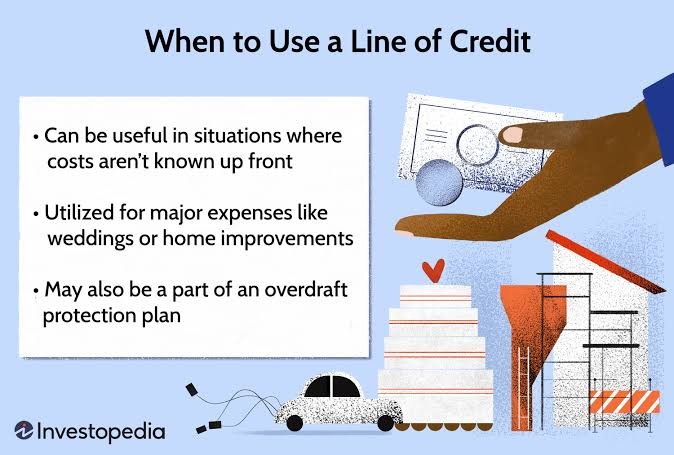
Both products provide access to revolving credit, but their structures can differ.
Business credit cards are generally designed around purchases and card transactions.
A business line of credit can provide access to cash that may be used for broader working capital needs, subject to the lender’s agreement.
The costs, credit limits, repayment terms, and fees vary by provider.
Compare both options based on how your company actually needs to access capital.
How to Use a Business Credit Card Responsibly
Responsible use is more important than rewards.
Pay on Time
Late payments can result in fees and potentially damage your credit profile.
Set up automatic payments or reminders to reduce the risk of missing a due date.
Pay the Balance in Full When Possible
If your business has enough cash flow, paying the statement balance in full can help avoid interest on purchases under the card’s applicable terms.
This can make rewards more valuable because you are not paying substantial interest to earn them.
Monitor Employee Spending
If employees have cards, establish clear spending rules.
Review transactions regularly and remove access when an employee no longer needs it.
Keep Records
Save receipts and categorize business expenses.
Good records can make accounting and tax preparation easier.
Common Business Credit Card Mistakes
One common mistake is choosing a card based entirely on the sign-up bonus.
An introductory offer may be valuable, but the card should still fit your long-term spending habits.
Another mistake is carrying a large balance because the card has a high credit limit.
A high limit does not mean the business can afford to spend that amount.
Businesses should also avoid using a credit card to cover recurring operating losses without a clear plan to improve cash flow.
Finally, always review the terms before accepting promotional financing.
How to Maximize Business Credit Card Rewards
Start by analyzing your company’s regular spending.
Review expenses such as advertising, travel, office supplies, shipping, software, telecommunications, and business services.
Then choose a rewards structure that matches those categories.
Do not increase spending simply to earn rewards.
A purchase that was unnecessary does not become profitable because it earns points or cash back.
Also calculate annual fees when estimating the actual value of rewards.
Frequently Asked Questions
What is a business credit card?
A business credit card is a revolving credit account designed for business-related purchases. It can provide access to credit, rewards, expense management tools, and employee cards depending on the issuer.
Can I get a business credit card for a new business?
Yes. Some issuers allow startups and newer businesses to apply. The owner’s personal credit may be considered, especially when the company has limited financial history.
Do business credit cards affect personal credit?
It depends on the issuer and how the account is reported. Some business cards can involve personal credit inquiries or reporting, while others primarily report to commercial credit bureaus.
Is a business credit card better than a business loan?
Neither is automatically better. A credit card can be useful for recurring purchases and short-term spending, while a business loan may be more appropriate for a larger planned expense with a defined repayment schedule.
Can I use a business credit card for personal expenses?
Business credit cards should generally be used for legitimate business expenses according to the card agreement. Mixing personal and business spending can complicate bookkeeping and financial records.
Conclusion
Business credit cards can be useful tools for managing company expenses, earning rewards, separating business purchases, and accessing revolving credit.
Before choosing a card, compare the APR, annual fee, rewards structure, credit limit, foreign transaction fees, employee card options, and credit reporting policies.
For businesses that pay balances in full, rewards and expense management features may be especially useful. Businesses that regularly carry balances should focus more heavily on interest rates and total borrowing costs.
Use business credit responsibly and choose a card that matches your company’s actual spending needs rather than simply selecting the card with the biggest promotional offer.